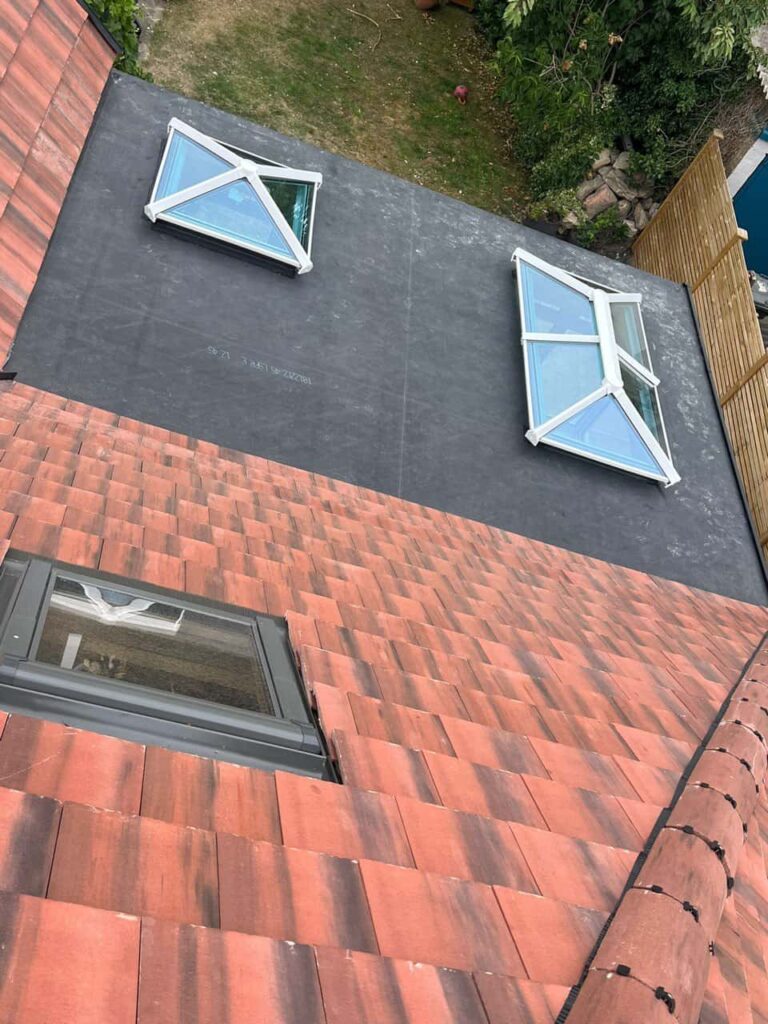
A new roof is an important investment in the long-term condition and protection of a home. Whether an existing roof has reached the end of its useful life or persistent problems make replacement the more practical option, careful planning helps ensure the new roof meets the property’s needs. Choosing suitable materials, assessing the roof structure and understanding the installation process can all contribute to a reliable result.
For homeowners in Keyworth, Nottingham, a new roof installation should take account of the property’s design, exposure to the weather and existing roof construction. Knowing what to consider before work begins can help you make informed decisions and avoid problems that may affect the roof’s performance later.
When Is a New Roof Installation Necessary?
Not every roofing problem requires a complete replacement. Some defects, such as a small area of damaged tiles or a localised flashing failure, can often be resolved through targeted repairs. However, when deterioration affects a large part of the roof, repeated repairs may no longer provide a suitable long-term solution.
Signs that a new roof may be worth considering include widespread cracked or slipping tiles, recurring leaks, deteriorated roofing materials and visible sagging. Damage to the roof structure or underlay may also indicate that more extensive work is needed.
A professional inspection can help establish whether the existing roof can be repaired effectively or whether replacement is the more appropriate option. This assessment should consider the condition of the roof covering as well as the materials and structure beneath it.
Choosing the Right Roofing Materials
Selecting suitable roofing materials is one of the most important decisions when planning a new installation. The right option depends on the property’s design, the existing roof structure and the performance you expect from the finished roof.
Roof Tiles and Slates
Tiles and slates are common choices for pitched roofs. They provide a traditional appearance and are available in different styles, colours and materials to complement a property’s character.
Clay and concrete tiles offer different finishes and characteristics, while natural slate is valued for its distinctive appearance. The suitability of each material depends on factors such as roof pitch, structural support and the installation requirements.
Matching the material to the roof design helps achieve a consistent finish while supporting reliable weather protection.
Flat Roofing Materials
For extensions, garages and other flat or low-pitched roofs, suitable waterproof coverings are essential. Options include felt systems and modern roofing membranes, each with specific installation and maintenance requirements.
The choice should account for the roof’s design, drainage arrangements and the condition of the supporting surface. Correct installation around edges, joints and outlets is particularly important because these areas can be vulnerable to water ingress.
Assessing the Roof Structure Before Installation
A new roof covering will only perform as intended if the structure beneath it is sound. Before installation, the roof should be checked for damaged timbers, signs of moisture, inadequate support and other defects that may affect the finished roof.
If the existing roof has experienced persistent leaks, it is particularly important to investigate whether water has affected the underlying structure. Covering damaged materials without addressing the cause can lead to further problems after installation.
The roof’s ventilation should also be considered where appropriate. Suitable ventilation and moisture management can help reduce condensation within the roof space and protect timber and insulation from avoidable moisture-related deterioration.
Addressing these details during the planning stage helps create a stronger foundation for the new roofing system.
Why Roof Underlay and Flashing Matter
The outer roof covering is only one part of a complete roofing system. Underlay provides an additional layer of protection beneath tiles or slates, helping manage water that passes the outer covering. Its condition and installation are therefore important considerations during a replacement.
Flashing is equally important at junctions where the roof meets chimneys, walls and roof windows. These areas need carefully formed connections to direct rainwater away from vulnerable points.
Damaged or poorly installed flashing can allow water to enter even when the main roof covering appears sound. A new installation should include appropriate detailing at these junctions rather than focusing solely on the visible roof surface.
Preparing for the Roof Installation Process
Planning ahead helps make a roof replacement more organised and ensures that important details are considered before work begins.
Homeowners should discuss the scope of the installation with their roofing contractor, including which materials will be used, whether the existing covering will be removed and how any underlying defects will be addressed. It is also useful to understand the expected sequence of work and how the property will be protected while the roof is exposed.
Weather conditions can affect roofing work, so the installation needs to be managed carefully to limit the risk of water entering the property during the process. The contractor should plan suitable protection and explain how the work will progress.
Clear communication before installation helps ensure that the finished roof meets the property’s requirements and that any necessary additional work can be considered appropriately.
Maintaining Your New Roof
Although a newly installed roof should provide dependable protection, periodic maintenance remains important. Check for visible signs of damage from ground level and arrange a professional inspection if you notice slipped tiles, damaged flashing, blocked drainage or signs of dampness inside the property.
Keeping gutters clear helps rainwater drain away from the roof efficiently. It is also sensible to address small defects promptly rather than allowing them to develop into more extensive problems.
Routine maintenance can help preserve the condition of the roofing materials and identify issues before they affect other parts of the building.
New Roof Installation in Keyworth, Nottingham
A successful new roof installation depends on selecting appropriate materials, checking the supporting structure and ensuring that every part of the roofing system is fitted correctly. Careful planning helps homeowners make informed decisions and reduces the likelihood of avoidable problems after the work is complete.
Keyworth Roofing Repairs can help homeowners assess their roofing requirements and explore suitable options for a new roof. From considering the condition of the existing covering to planning the installation, professional guidance helps ensure that the proposed work suits the property.
If you are considering replacing your roof or would like advice about its current condition, contact Keyworth Roofing Repairs to discuss your requirements and arrange a professional assessment in Keyworth, Nottingham.
Conclusion
A new roof installation involves more than replacing old tiles or covering materials. The condition of the roof structure, choice of materials, underlay, flashing and drainage all influence the performance of the finished roof.
By assessing these factors before work begins, homeowners can make informed decisions and help protect their property for the long term. For property owners in Keyworth, Nottingham, Keyworth Roofing Repairs can provide guidance on suitable roofing solutions and help plan an installation that meets the needs of the home.
Call us on: 0115 647 1193
Click here to find out more about Keyworth Roofing Repairs
Click here to complete our contact form and see how we can help with your roofing needs.